
PERFORMANCE
SILK
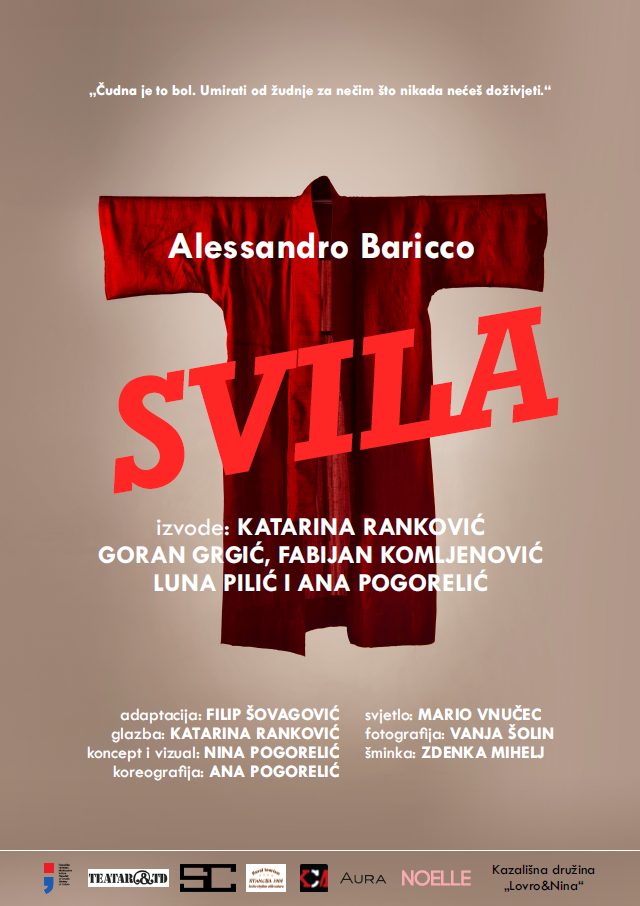
It’s a strange pain. Dying of longing for something you’ll never experience.
Every story has its own music. This one has white music. It’s important to note this, because white music is a strange kind of music that can sometimes be confusing: it is played slowly, danced slowly. When it is played well, it’s like hearing the sound of silence, and those who dance to it divinely, when you look at them, seem motionless. That white music, it is something damned difficult. I have nothing else to add. Maybe just to clarify that the story takes place in the nineteenth century, so no one expects airplanes, washing machines, or psychoanalysts. There aren’t any.
Maybe another time.
A. Baricco
The content of this story captures not only a romantic tale of love, desire, and friendship, but also fundamental questions and issues of humanity – economics, travel, warfare, and the characteristics and differences of civilizations and ethnicities. It even touches on a theme that was not anticipated at the time the work was created: disease, infection, and epidemic. The story itself revolves around a silkworm disease with far-reaching global consequences, which, unfortunately, finds a parallel in the situation the world faces today, demonstrating art as a reflection of life’s reality…
The space for the premiere performance was made possible through the support of the Ministry of Culture and Media of the Republic of Croatia and the Student Centre. The preparation and performance were made possible by an anonymous friendly donation, our own funds, and a financial contribution from Mrs. Draženka Moll/Stancija 1904.
We thank the ensemble of the play for their enthusiasm, &TD Theatre for their warm hospitality, the Mesnička Cultural Center for providing rehearsal space, the Japanese Embassy, Comedy Theatre, and Mrs. Tanja Gotal for their help with costumes, V.B.Z. for providing the translation, Miss Dora Dunatov and Mr. Vanja Šolin, and the companies Aura, Bipa, and Noelle for their donated work and materials.
It’s a strange pain. Dying of longing for something you’ll never experience.
Every story has its own music. This one has white music. It’s important to note this, because white music is a strange kind of music that can sometimes be confusing: it is played slowly, danced slowly. When it is played well, it’s like hearing the sound of silence, and those who dance to it divinely, when you look at them, seem motionless. That white music, it is something damned difficult. I have nothing else to add. Maybe just to clarify that the story takes place in the nineteenth century, so no one expects airplanes, washing machines, or psychoanalysts. There aren’t any.
Maybe another time.
A. Baricco
It’s a strange pain. Dying of longing for something you’ll never experience.
Every story has its own music. This one has white music. It’s important to note this, because white music is a strange kind of music that can sometimes be confusing: it is played slowly, danced slowly. When it is played well, it’s like hearing the sound of silence, and those who dance to it divinely, when you look at them, seem motionless. That white music, it is something damned difficult. I have nothing else to add. Maybe just to clarify that the story takes place in the nineteenth century, so no one expects airplanes, washing machines, or psychoanalysts. There aren’t any.
Maybe another time.
A. Baricco
The content of this story captures not only a romantic tale of love, desire, and friendship, but also fundamental questions and issues of humanity – economics, travel, warfare, and the characteristics and differences of civilizations and ethnicities. It even touches on a theme that was not anticipated at the time the work was created: disease, infection, and epidemic. The story itself revolves around a silkworm disease with far-reaching global consequences, which, unfortunately, finds a parallel in the situation the world faces today, demonstrating art as a reflection of life’s reality…
We thank the ensemble of the play for their enthusiasm, &TD Theatre for their warm hospitality, the Mesnička Cultural Center for providing rehearsal space, the Japanese Embassy, Comedy Theatre, and Mrs. Tanja Gotal for their help with costumes, V.B.Z. for providing the translation, Miss Dora Dunatov and Mr. Vanja Šolin, and the companies Aura, Bipa, and Noelle for their donated work and materials.
The space for the premiere performance was made possible through the support of the Ministry of Culture and Media of the Republic of Croatia and the Student Centre. The preparation and performance were made possible by an anonymous friendly donation, our own funds, and a financial contribution from Mrs. Draženka Moll/Stancija 1904.
Premiere: 7. 4. 2021., Teatar &TD Zagreb
Performances:
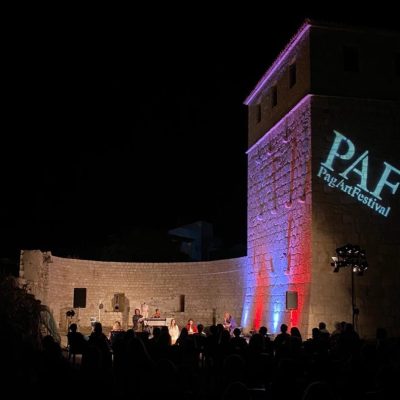
PagArtFestival, Kula Skrivanat, Pag, 4. 8. 2021.,
Zadar Organ Festival, Atrij Palače Cedulin, Zadar, 13. 9. 2021.
Slatinske kazališne večeri, POU Slatina, 27. 10. 2022.,
Gradsko kazalište „Joza Ivakić“ Vinkovci, 20. 11. 2022.
Photos: Kristijan Cimer
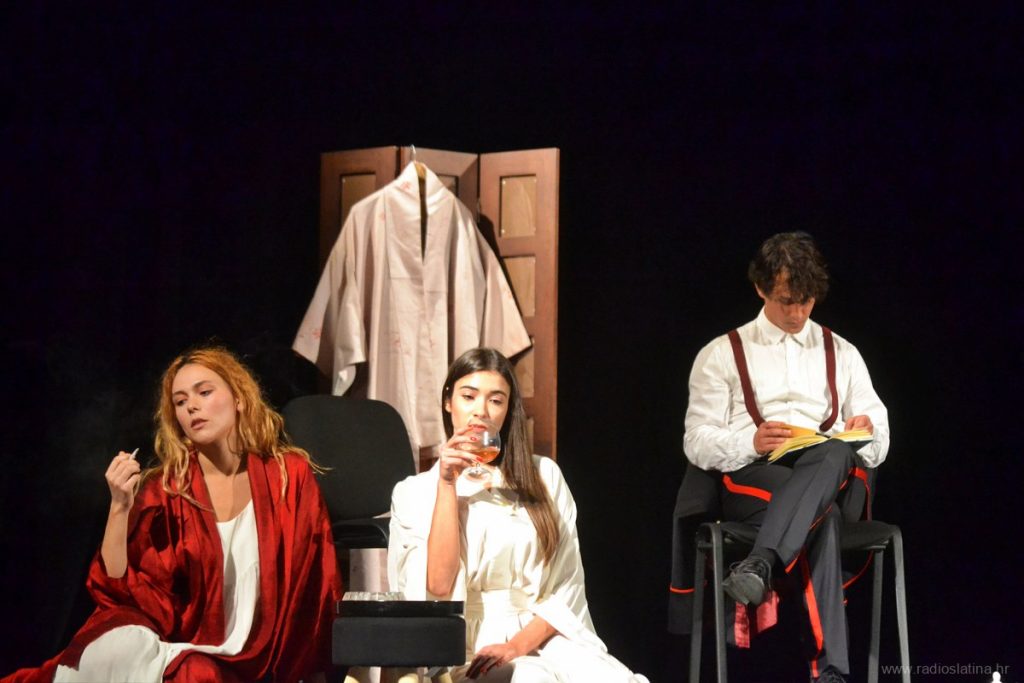
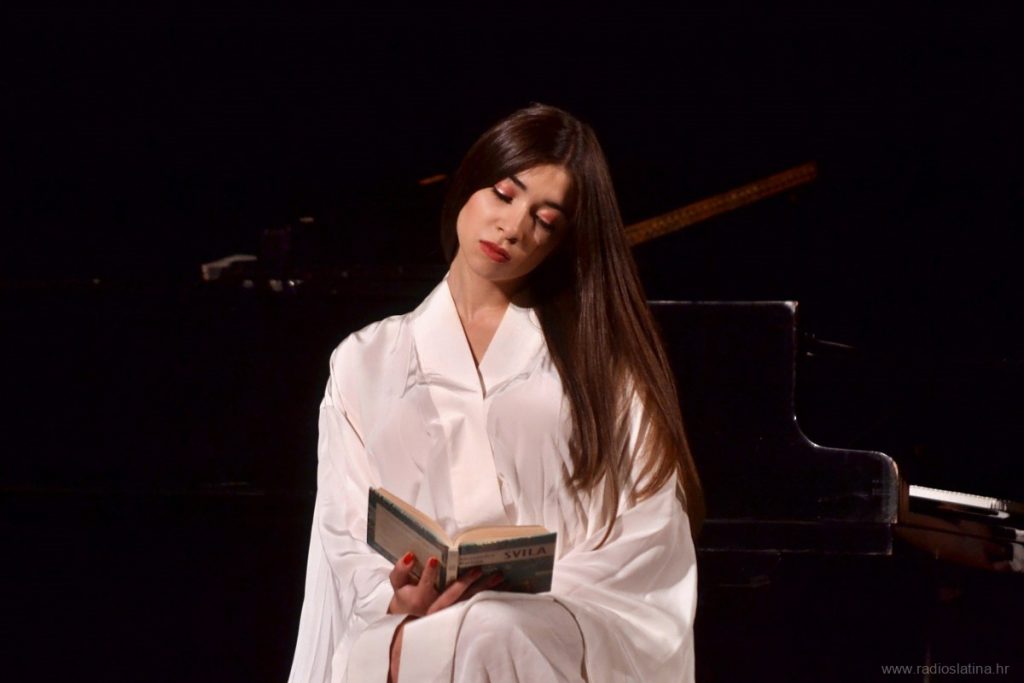
Photo: Elvis Šmit

© Sciomagis | All Rights Reserved